
Replace your planetary mixer when repair costs exceed 30-50% of a new unit’s price, or when it’s 15+ years old with frequent breakdowns. Based on industry data, older mixers have a 22% chance of needing another repair within three years, with five-year repair costs approaching half the price of a new machine. Other replacement triggers include consistent performance degradation, safety compliance issues, or when production demands exceed the mixer’s capacity.
The Financial Breaking Point
The math behind mixer replacement is straightforward but often ignored until it’s too late. For a commercial 60-quart mixer, repair costs over a five-year period can reach 50% or more of a new machine’s cost. Here’s what happens: belts wear out, gears need replacing, motors demand service, and transmission grease requires constant attention. Each repair seems manageable individually, but they compound.
Neglecting maintenance can lead to repair costs ranging from $500 to $5,000, depending on the severity. A motor replacement alone can set you back several hundred dollars, while a full transmission rebuild pushes costs even higher. When you’re scheduling repairs quarterly instead of annually, the numbers tip decisively toward replacement.
The downtime factor amplifies these costs. A broken mixer doesn’t just mean repair bills—it means halted production, rush orders to backup suppliers, stressed staff scrambling with manual alternatives, and potentially lost customers. Calculate the revenue lost during each breakdown, and suddenly a new mixer’s price tag looks less intimidating.
Performance Degradation You Can’t Ignore
Mixers don’t fail overnight. They decline gradually, and that’s dangerous because you adjust without realizing how much efficiency you’ve lost. Gear or belt wear can lower RPM speeds over time, affecting mix time and results, leading to product waste and increased labor costs.
Watch for these performance red flags:
Inconsistent mixing quality shows up first. Dough that used to mix uniformly in eight minutes now takes twelve, or worse, comes out with pockets of unmixed flour. Your team compensates by extending mix times, but that’s treating symptoms rather than solving the problem.
Speed irregularities signal transmission problems. The mixer hesitates when shifting between speeds, or the high-speed setting doesn’t feel as powerful as it once did. This isn’t just annoying—it affects gluten development in bread dough and aeration in cakes.
Temperature issues matter more than most operators realize. Spiral mixers keep dough cooler through their rotating bowl design, preventing overfermentation. If your planetary mixer now heats dough excessively during mixing, worn components are creating excess friction. That heat affects yeast activation timing and product quality.
The capacity question gets overlooked too. You bought a mixer for your original volume, but three years later you’re mixing twice as many batches. The motor works harder, maintenance needs increase, and you’re probably shortening the equipment’s lifespan significantly.
Mechanical Failure Warning Signs
Excessive vibration or unusual noises are clear signs something is wrong, potentially caused by overloading, uneven ingredient distribution, or worn-out internal components. These aren’t minor annoyances—they’re mechanical distress signals.
Grinding or squealing noises point to gear problems. The planetary gear system relies on precise tooth alignment and adequate lubrication. When gears start grinding metal-on-metal, you’re generating shavings that contaminate the grease and accelerate wear throughout the transmission. Ignoring these sounds can transform a gear replacement into a full transmission rebuild.
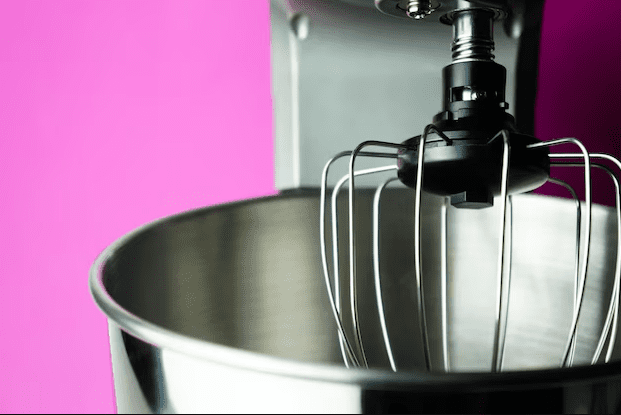
Excessive vibration during operation indicates imbalance or loose components. This could be something simple like an incorrectly seated bowl, but often it’s worn bearings or a damaged planetary shaft. Worn bearings can cause up to 70% of mechanical failures. The vibration itself causes secondary problems, loosening other connections and creating a cascade of issues.
Motor overheating happens when the unit works beyond its design parameters. If your mixer constantly overheats, you may be using it for wrong applications or overloading it. A motor running hot shortens its lifespan dramatically and risks complete failure mid-batch.
Electrical problems manifest as failures to start, unexpected shutdowns, or speed control issues. About 25% of mixer problems are electrical or safety-related. When these issues start occurring frequently, the control board or wiring may be deteriorating, and repairs often approach the cost of replacement.
The Age Factor and Parts Availability
Commercial mixers typically last 10 to 20 years with proper maintenance, but that range conceals important nuances. A mixer that’s 24 years old faces challenges beyond normal wear.
Classic mixers manufactured before 2007 cannot be serviced by some manufacturers unless they have bowl guard retrofit kits added, which represents a costly investment. More critically, parts for older models become increasingly difficult to source. You’re not just paying more for parts—you’re waiting longer for them, which means extended downtime.
The technology gap widens too. Modern mixers feature hybrid gear-driven systems and can shift speeds without turning off, saving time and improving ease of use. They offer better motor control, more precise speed management, and enhanced safety features. An old mixer might still mix, but it’s working much harder to achieve results that newer models accomplish effortlessly.
Consider the lifespan in context of your usage intensity. Heavy-duty commercial mixers in bakeries or pizza shops running 8-10 hours daily will reach their limits faster than countertop units in lighter-duty environments. If your 12-year-old mixer has been running two shifts daily, it’s effectively experienced 20+ years of wear.
Safety and Compliance Concerns
Safety issues force immediate replacement decisions. Since the 1990s, planetary mixers in the U.S. have been manufactured with safety cages, and units won’t operate without them properly in place. If your safety guard is damaged, bent, or has broken welds, you face a serious problem.
A bent cage that doesn’t align properly with the safety mechanism can cost $700 or more to repair because of the labor involved. Worse, operating without proper safety features exposes you to injury risks, worker compensation claims, and employee time off—costs that dwarf any repair bill.
Electrical safety matters equally. Worn power switches, degraded insulation, or exposed wiring aren’t just code violations—they’re fire and shock hazards. When electrical components deteriorate to this point, especially on older models, replacement often makes more sense than trying to rebuild outdated electrical systems.
The liability angle deserves consideration. If an employee gets injured because you delayed replacing equipment with known safety issues, you’re facing legal exposure that makes equipment costs irrelevant.
Capacity and Operational Evolution
Your business changes, and your equipment needs should change with it. The 20-quart countertop mixer that was perfect when you opened might now be a bottleneck. You’re running it continuously, mixing four batches where you used to do one, and maintenance has become a constant concern.
Modern mixers can mix up to 30% more in the same size bowl compared to older models, thanks to improved motor control technology. That’s not marketing hyperbole—it’s the difference between meeting demand comfortably and constantly scrambling.
Some operations discover they’ve outgrown not just capacity but versatility. If you’ve added a dough sheeter and expanded into more complex baked goods, your basic planetary mixer might lack the power or features you now need. Spiral mixers offer advantages for high-volume bread production with better temperature control and more consistent results, while planetary mixers excel at versatility.
The inverse matters too. If your menu has shifted away from heavy mixing tasks, you might be maintaining an oversized, overpowered machine when a smaller unit would serve you better and cost less to operate.
Maintenance Cost Patterns
Regular maintenance can make a mixer last up to 15 years, but ignoring it can result in repair costs from $500 to $5,000. The pattern matters more than individual incidents. If you’re scheduling maintenance every three months instead of annually, something fundamental has changed.
Common replacement parts tell a story. Belts, gears, transmission grease, and motors are frequent replacements. First-time replacements are normal maintenance. Second and third replacements of the same components signal systemic problems. When you’re replacing the same gear twice within eighteen months, the mixer is telling you it’s done.
Proper lubrication can extend bearing life by up to 33%, and regular oiling cuts breakdowns by about 25%. If you’ve been diligent about maintenance and still face mounting issues, the base equipment has reached its limit. No amount of care can overcome fundamental material fatigue or design-life expiration.
Track your maintenance spending annually. When it exceeds 20% of replacement cost in a single year, or 40% over two years, the financial argument for replacement becomes compelling. You’re essentially making installment payments on a new mixer while still operating the old one.
New Technology Benefits
Modern planetary mixers aren’t just more reliable—they’re fundamentally better tools. Variable frequency drive technology provides precise motor control and monitors RPM speed to ensure peak performance. This means consistent results batch after batch, something older models struggle to maintain.
Energy efficiency improvements are real. Newer models use less energy overall to mix and incorporate ingredients, and can be wired to both single-phase and three-phase electricity. The electrical flexibility alone can be worth the upgrade if your facility has power limitations.
Safety features have evolved significantly. Modern interlocks, emergency stops, and guard systems are more reliable and easier to maintain. The safety mechanisms include pins that engage when guards close properly, and damage to these systems can be expensive to repair on older models.
Enhanced features like quick-release agitators, improved bowl lift mechanisms, and better speed control systems don’t just add convenience—they reduce setup time, minimize errors, and improve consistency. When you calculate the labor savings from these improvements across hundreds of uses annually, the productivity gains add up.
Making the Replacement Decision
Calculate total cost of ownership, not just purchase price. Factor in:
- Annual maintenance costs for the past three years
- Estimated maintenance for the next three years
- Downtime costs when breakdowns occur
- Energy consumption differences between old and new models
- Labor efficiency gains from improved features
- Product waste from inconsistent mixing
Industry data shows repair costs over five years can approach 50% of a new mixer’s cost for aging equipment. When you add opportunity costs from downtime and quality issues, the replacement case often becomes clear.
Consider timing strategically. Replacing during slow season lets you thoroughly test the new equipment and train staff without production pressure. Waiting until complete failure forces reactive purchasing at potentially higher prices and with rushed installation.
Evaluate your specific needs honestly. Are you replacing a 20-quart with another 20-quart, or has your volume grown? Do you need planetary versatility, or would a spiral mixer better serve your bread-focused operation? The replacement decision is also a re-evaluation opportunity.
Frequently Asked Questions
How long should a commercial planetary mixer last?
With proper maintenance, commercial planetary mixers typically last 10 to 20 years. Usage intensity matters significantly—a bakery running two shifts daily will wear out a mixer faster than a restaurant using it occasionally. Some manufacturers like Hobart have models over 20 years old still in service, but these require increasingly expensive maintenance.
What’s the average repair cost for a planetary mixer?
Repair costs range from $500 to $5,000 depending on the severity of issues. Simple maintenance like regreasing starts around $125, while motor replacements or transmission rebuilds can reach several thousand dollars. Even specific repairs like safety guard pin replacement can cost $700 due to labor intensity.
Can I rebuild an old mixer instead of replacing it?
Rebuilding is viable for structurally sound mixers with available parts. Complete professional rebuilds restore performance to near-new condition but cost 40-60% of new mixer prices. For mixers manufactured before 2007, parts availability becomes increasingly problematic, making rebuilds less practical as equipment ages.
What are the most common planetary mixer problems?
Common issues include failure to start, inconsistent mixing, excessive vibration, and unusual noises. About 25% of problems are electrical or safety-related. Gear wear, motor overheating, and belt deterioration account for most mechanical failures. Many issues stem from overloading or inadequate maintenance rather than inherent design flaws.
The decision to replace a planetary mixer rarely feels urgent until it becomes emergency. Better to evaluate objectively when the machine still functions than to face crisis purchasing during peak season. Track your costs, monitor performance indicators, and make the decision based on data rather than hope that one more repair will be the last.
Your mixer is a tool, not a monument to past purchases. When it stops serving your operation efficiently, letting it go isn’t defeat—it’s smart business.
Recommended Resources:
- Hobart Corporation – “When Should You Replace Your Mixer?” (blog.hobartcorp.com)
- Jaygo Inc – “When To Replace Your Industrial Mixer” (jaygoinc.com)
- Parts Town – “How to Maximize the Life of Your Mixer” (partstown.com)
- Pro Restaurant Equipment – “Spiral vs. Planetary Mixers” (prorestaurantequipment.com)


